AMC/Jeep/Renault - A Franco-American Alliance
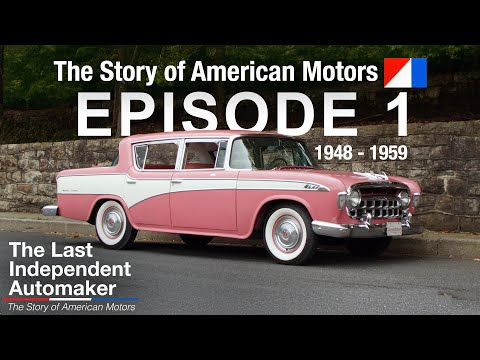
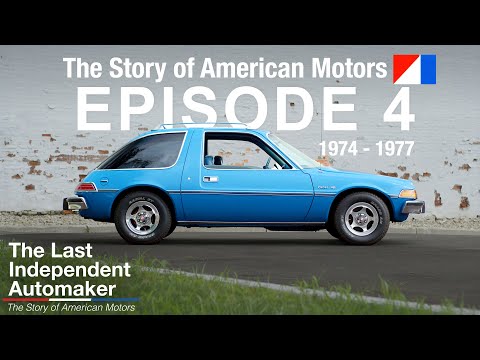
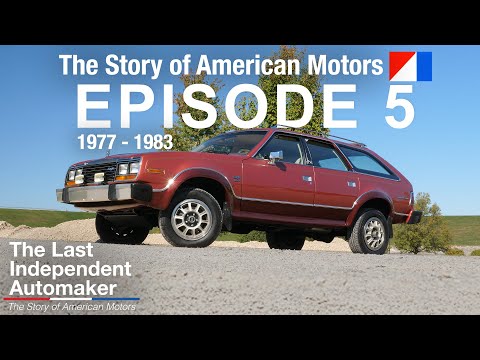
The last independent automaker: the story of AMC in 6 episodes
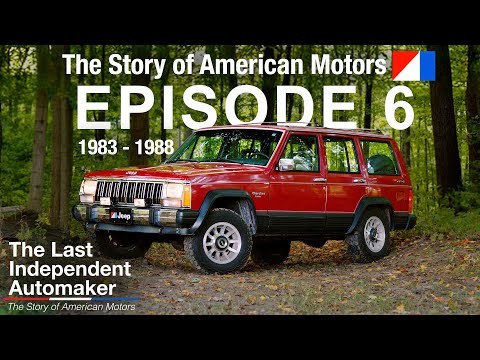
We invite you to enjoy these 6 episodes retracing the history of AMC. The Last Independent Automaker recounts the rise and fall of American Motors Corporation, an automaker that employed hundreds of thousands of people and built millions of vehicles from 1954 to 1987.
The six-part documentary aired on public television and streaming platforms in 2025 as half-hour episodes.
More than 30 former employees were interviewed, including designers, engineers, assembly line workers, salespeople, and two CEOs. Their memories, combined with hours of rare archival footage and thousands of historical photographs, bring to life the story of an iconic company during a time of rapid industry change.
The six-part documentary aired on public television and streaming platforms in 2025 as half-hour episodes.
More than 30 former employees were interviewed, including designers, engineers, assembly line workers, salespeople, and two CEOs. Their memories, combined with hours of rare archival footage and thousands of historical photographs, bring to life the story of an iconic company during a time of rapid industry change.


The beginnings of cooperation
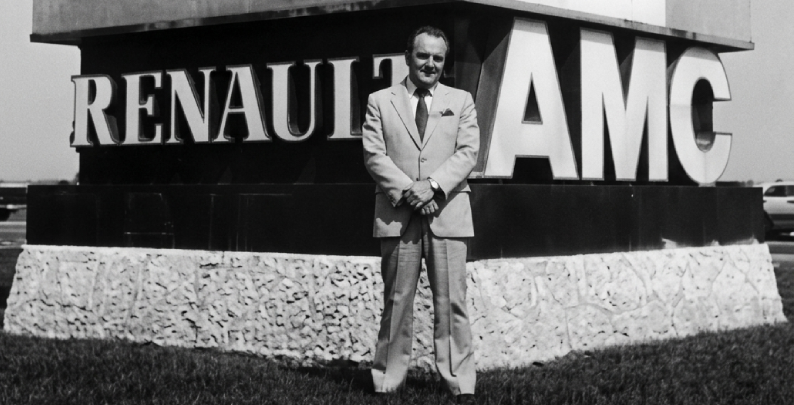
After several attempts to establish itself in the American market, Renault decided in the late 1970s to partner with American Motors Corporation (AMC), then the fourth-largest automaker in the United States. This partnership aimed to allow Renault to sustainably enter the North American market, while providing AMC with the financial and technological resources needed to renew an aging product lineup.
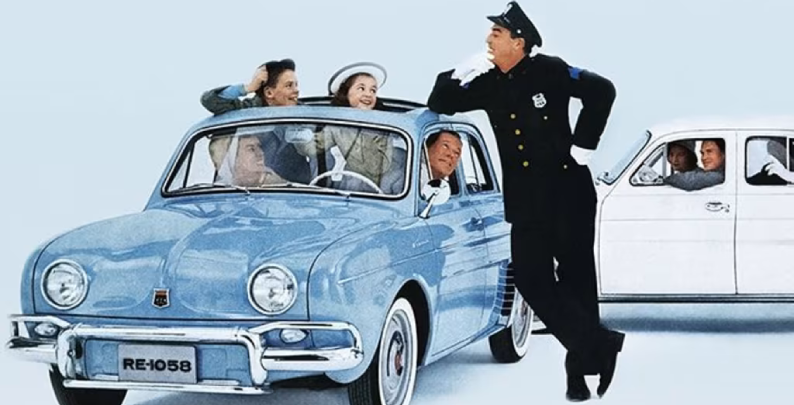
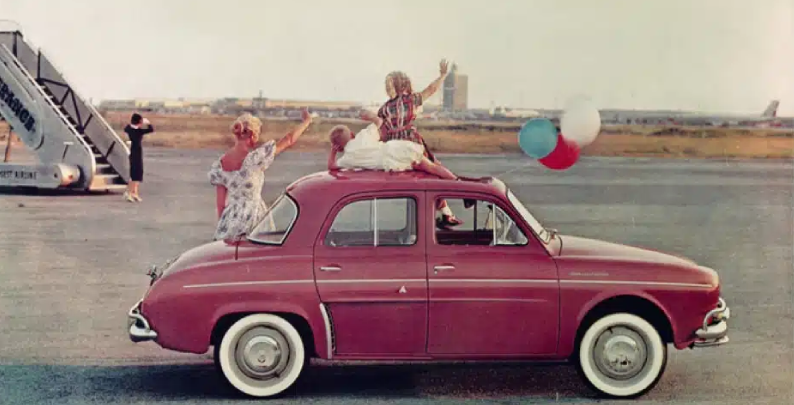
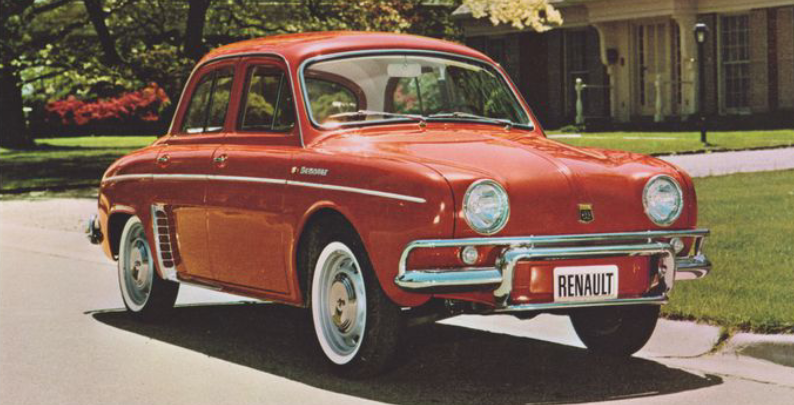
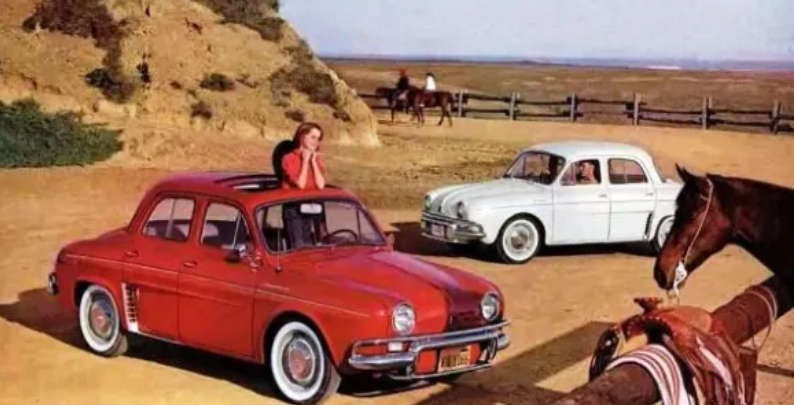
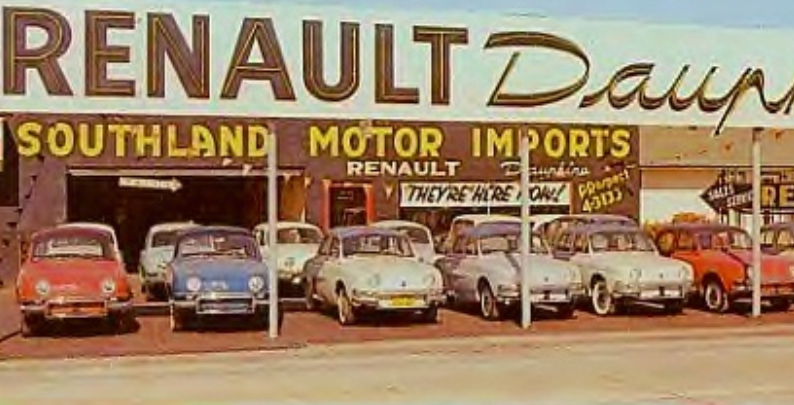
As early as the post-war period, Renault had already attempted to establish itself in the United States, notably with the Renault Dauphine. By the late 1950s, the Renault Dauphine was the third best-selling imported car after Volkswagen and Ford. Produced between 1956 and 1968, the Dauphine was essentially a modernized 4CV, with a more spacious body and increased power. It was also the first Renault imported in large numbers to the United States, with over 200,000 units between 1957 and 1960. However, the lack of a solid distribution network and logistical issues led to commercial failure, damaging the brand’s image.
In the late 1970s, AMC was going through a difficult period. The manufacturer lacked the financial resources to develop new models and was looking for a foreign partner. Renault, for its part, wanted to return to the American market but with a more structured strategy. At that time, Bernard Hanon and François Doubin led the discussions. The CEO of Renault, Vernier-Palliez, and his AMC counterpart, Mr. Meyers, signed a memorandum outlining the true foundations of the partnership.
On March 31, 1978, the basis of a commercial agreement was established:
• Distribution of the Renault 5 (renamed “Le Car”) in the United States via the AMC network
• Study of manufacturing Renault models in North America
• Sale of Jeep vehicles (produced by AMC) through Renault’s network in Europe.
In the late 1970s, AMC was going through a difficult period. The manufacturer lacked the financial resources to develop new models and was looking for a foreign partner. Renault, for its part, wanted to return to the American market but with a more structured strategy. At that time, Bernard Hanon and François Doubin led the discussions. The CEO of Renault, Vernier-Palliez, and his AMC counterpart, Mr. Meyers, signed a memorandum outlining the true foundations of the partnership.
On March 31, 1978, the basis of a commercial agreement was established:
• Distribution of the Renault 5 (renamed “Le Car”) in the United States via the AMC network
• Study of manufacturing Renault models in North America
• Sale of Jeep vehicles (produced by AMC) through Renault’s network in Europe.
Strengthening the partnership (1979–1980)
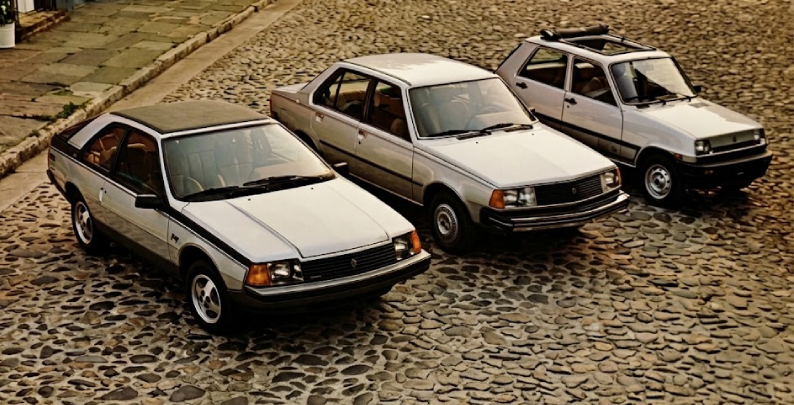
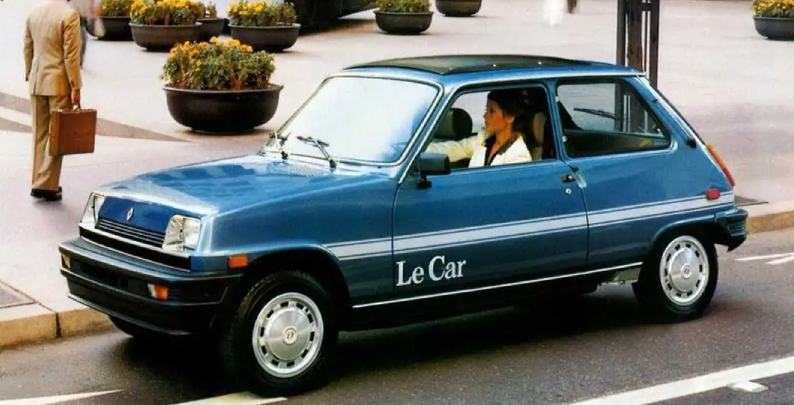
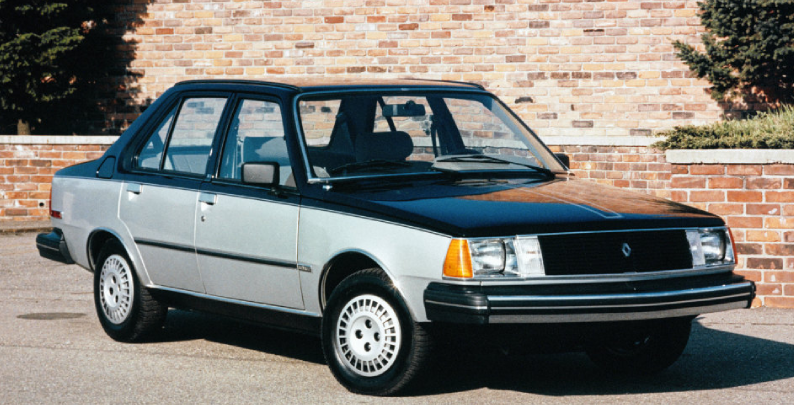
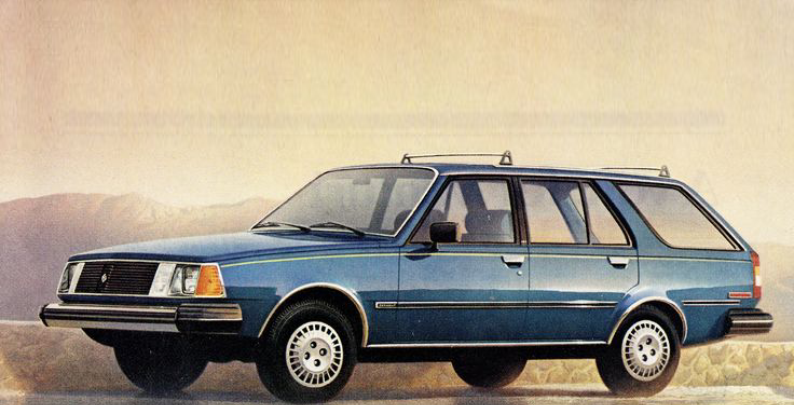
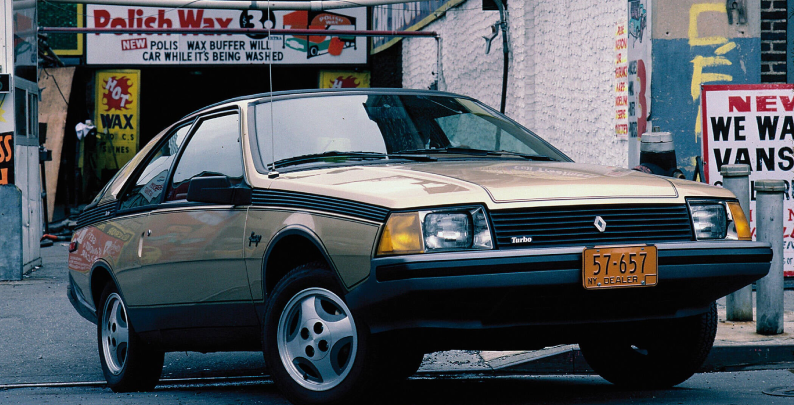
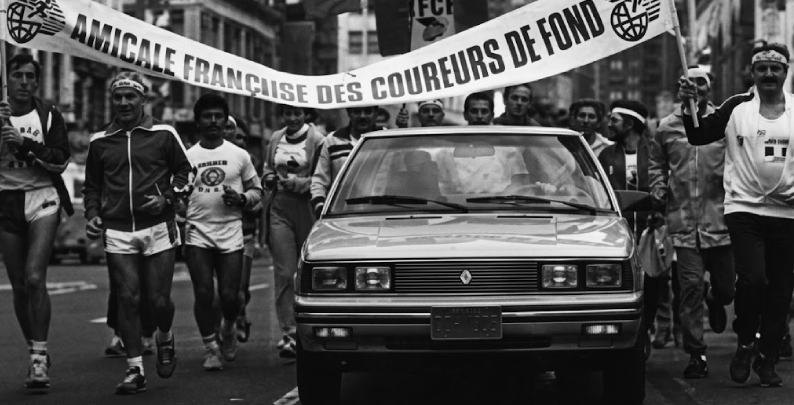
In January 1979, AMC officially became the importer and distributor of Renault in North America. Several models were marketed: Le Car, R18i and R18 Sportwagon, and Fuego.
That same year, Renault gradually acquired a stake in AMC:
• March 1979: initial investment
• October 1979: announcement of a new Renault model to be produced in the United States
• 1980: Renault increased its stake to 46.4% of AMC’s capital
At the same time, the Renault 9 project was launched. A version adapted to the American market was jointly developed by French and American teams.
Some engineers relocated to Wisconsin. Their task was a challenge: to teach better car-building practices to people who had been manufacturing cars and trucks since 1902!
Among these engineers were François Castaing, the father of the Renault Formula 1 V6 engine, and José Dedeurwaerder, who had just launched the Renault 9 in Douai after working on many other “new frontiers” for Renault, such as Argentina and Mexico. Dedeurwaerder was Belgian. He studied in Schaerbeek and joined Renault in 1958 at the Vilvorde plant. He learned his trade at Renault without imagining he would one day become president of the American brand in Detroit.
That same year, Renault gradually acquired a stake in AMC:
• March 1979: initial investment
• October 1979: announcement of a new Renault model to be produced in the United States
• 1980: Renault increased its stake to 46.4% of AMC’s capital
At the same time, the Renault 9 project was launched. A version adapted to the American market was jointly developed by French and American teams.
Some engineers relocated to Wisconsin. Their task was a challenge: to teach better car-building practices to people who had been manufacturing cars and trucks since 1902!
Among these engineers were François Castaing, the father of the Renault Formula 1 V6 engine, and José Dedeurwaerder, who had just launched the Renault 9 in Douai after working on many other “new frontiers” for Renault, such as Argentina and Mexico. Dedeurwaerder was Belgian. He studied in Schaerbeek and joined Renault in 1958 at the Vilvorde plant. He learned his trade at Renault without imagining he would one day become president of the American brand in Detroit.
The birth of the Alliance
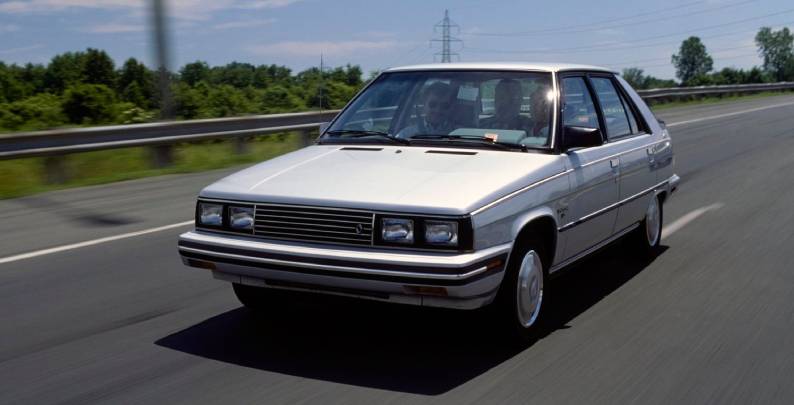
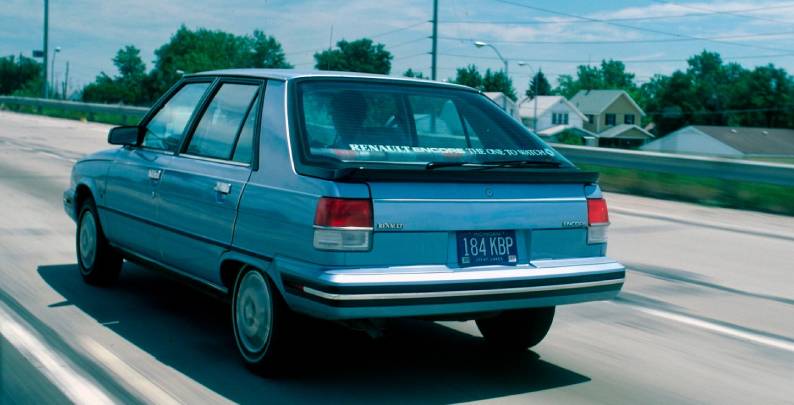
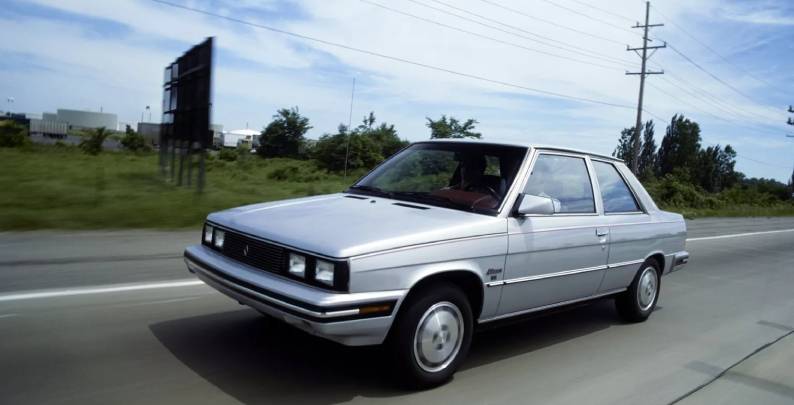
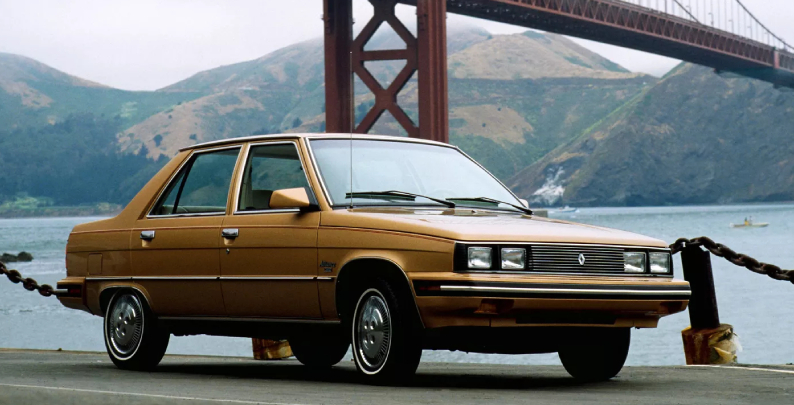
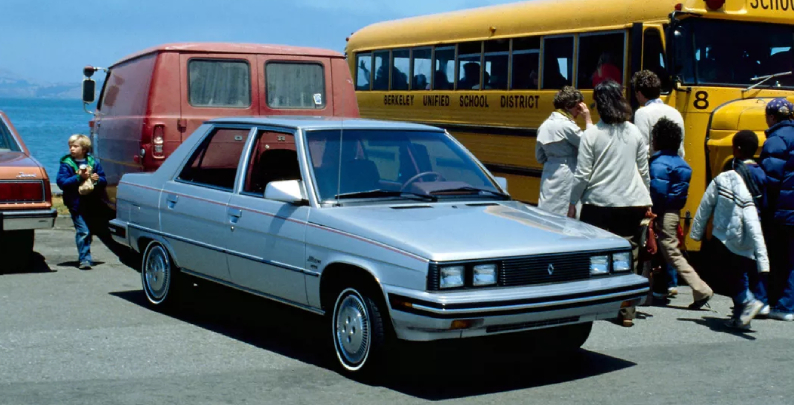
American production began at the AMC plant in Kenosha, Wisconsin. Mechanical components came from France, while the bodywork was produced in North America.
In 1982, the American version of the Renault 9 was launched under the name “Alliance.” The model perfectly matched the evolution of the American market, which was shifting toward more compact and economical cars.
Success was immediate:
• Initial target: 100,000 units
• Result: target reached three months ahead of schedule
• 1983: the Alliance was named “Car of the Year” in the United States
In June 1983, the Renault Encore (American version of the Renault 11) completed the lineup. Sales were very encouraging:
• 156,182 Alliances sold in the United States
• 20,182 Encores
• Success also in Canada
This period marked the peak of cooperation between Renault and AMC.
In 1982, the American version of the Renault 9 was launched under the name “Alliance.” The model perfectly matched the evolution of the American market, which was shifting toward more compact and economical cars.
Success was immediate:
• Initial target: 100,000 units
• Result: target reached three months ahead of schedule
• 1983: the Alliance was named “Car of the Year” in the United States
In June 1983, the Renault Encore (American version of the Renault 11) completed the lineup. Sales were very encouraging:
• 156,182 Alliances sold in the United States
• 20,182 Encores
• Success also in Canada
This period marked the peak of cooperation between Renault and AMC.
Ambitions and investments
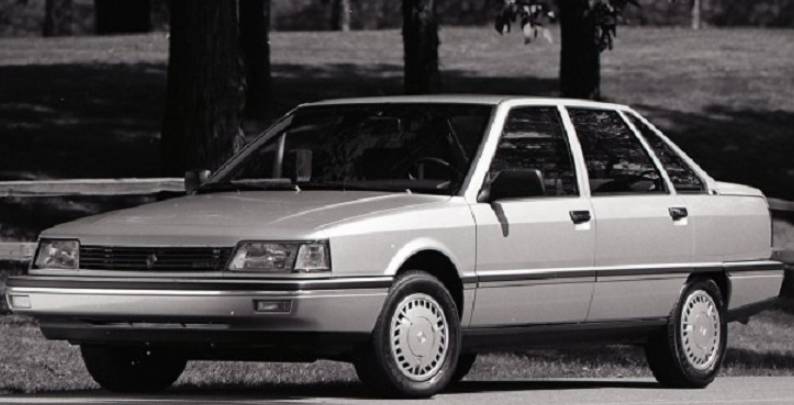
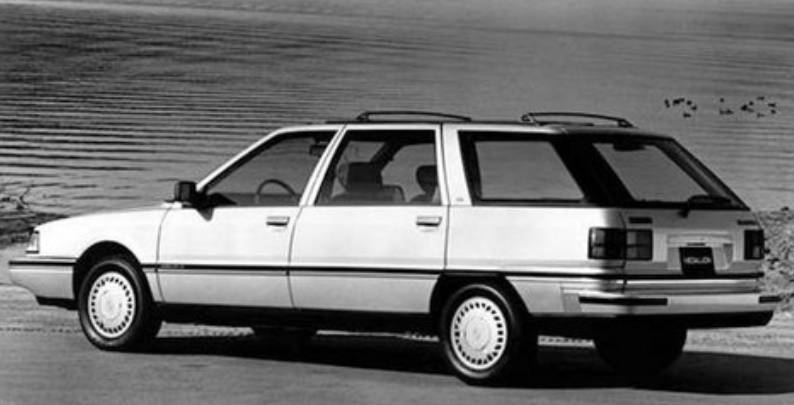
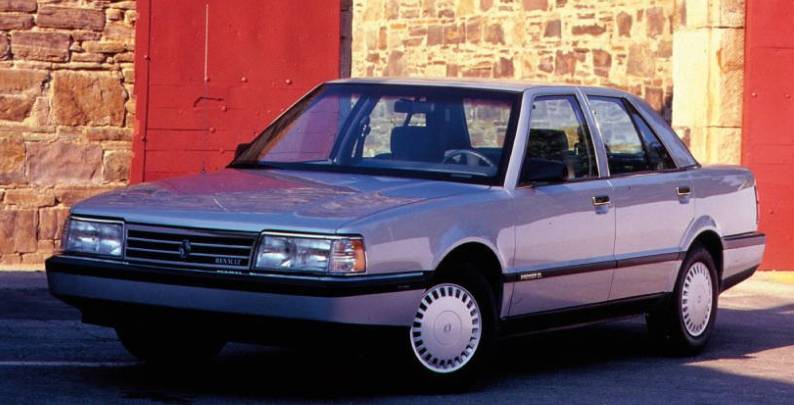
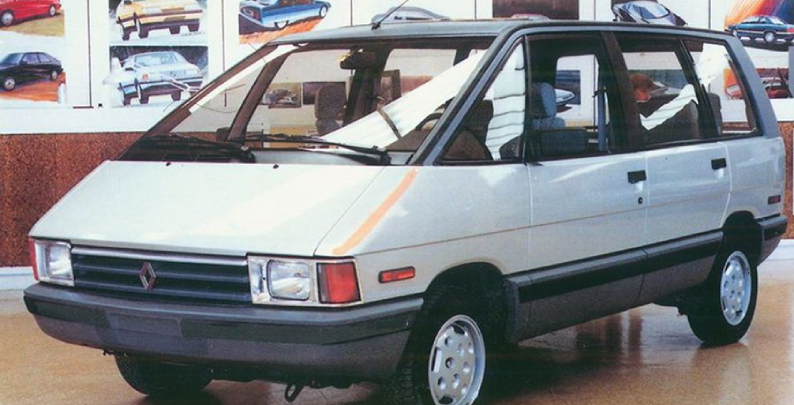
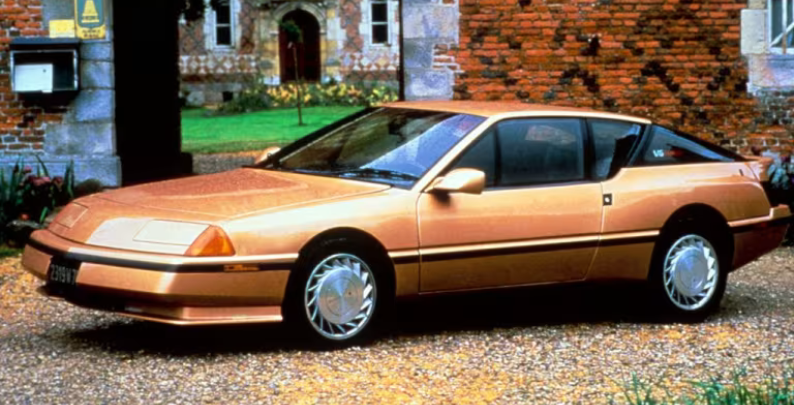
Faced with strong results, AMC undertook major investments. Several projects were launched:
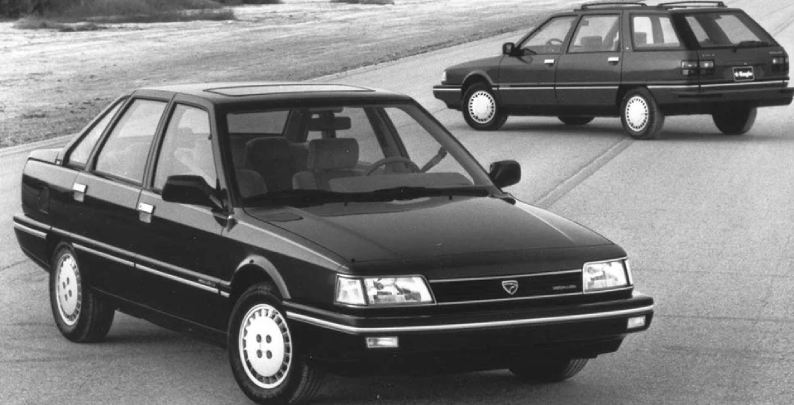
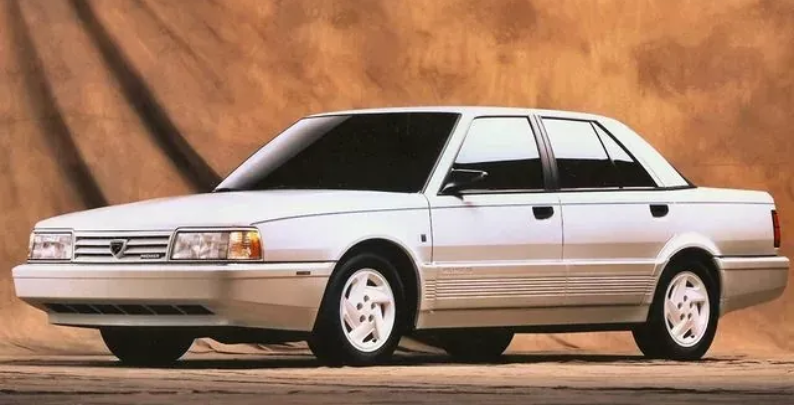
• Development of new higher-end models, notably a “super-Alliance” using Renault 25 mechanics with a more American style: the “Medallion”
• Adaptation of Renault vehicles for the American market: the “Premier”
• Industrial strengthening in North America
Technical collaboration between European and American engineers intensified. French specialists moved to the United States to adapt models to local expectations.
See the different prototypes
• Development of new higher-end models, notably a “super-Alliance” using Renault 25 mechanics with a more American style: the “Medallion”
• Adaptation of Renault vehicles for the American market: the “Premier”
• Industrial strengthening in North America
Technical collaboration between European and American engineers intensified. French specialists moved to the United States to adapt models to local expectations.
See the different prototypes
Market downturn
From 1984 onward, the situation became more complicated:
• The American market shifted toward larger and more powerful vehicles
• The AMC-Renault lineup remained limited to compact models
• Competition intensified
• Quality issues appeared on some models
At the same time, Renault faced financial difficulties in Europe. Sales declined, the lineup aged, and investments became heavy. AMC’s situation also deteriorated despite initial successes.
• The American market shifted toward larger and more powerful vehicles
• The AMC-Renault lineup remained limited to compact models
• Competition intensified
• Quality issues appeared on some models
At the same time, Renault faced financial difficulties in Europe. Sales declined, the lineup aged, and investments became heavy. AMC’s situation also deteriorated despite initial successes.
The end of the adventure
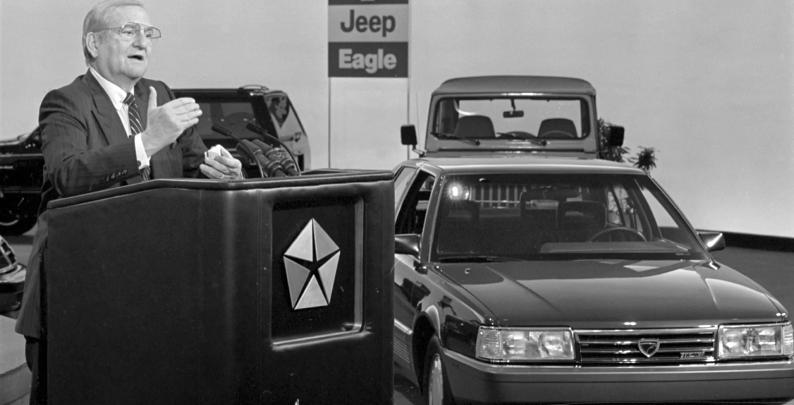
In 1986, Renault signed an agreement with Chrysler to produce certain models at the AMC plant in Kenosha. This decision illustrated the growing difficulties of the partnership.
On March 7, 1987, Chrysler bought AMC from Renault. This sale occurred even though:
• AMC was beginning to return to profitability
• New models (Medallion and Premier) had just been introduced
• Jeep vehicles were still selling well
However, Renault’s financial situation required a rapid decision.
On March 7, 1987, Chrysler bought AMC from Renault. This sale occurred even though:
• AMC was beginning to return to profitability
• New models (Medallion and Premier) had just been introduced
• Jeep vehicles were still selling well
However, Renault’s financial situation required a rapid decision.
Gradual discontinuation of models
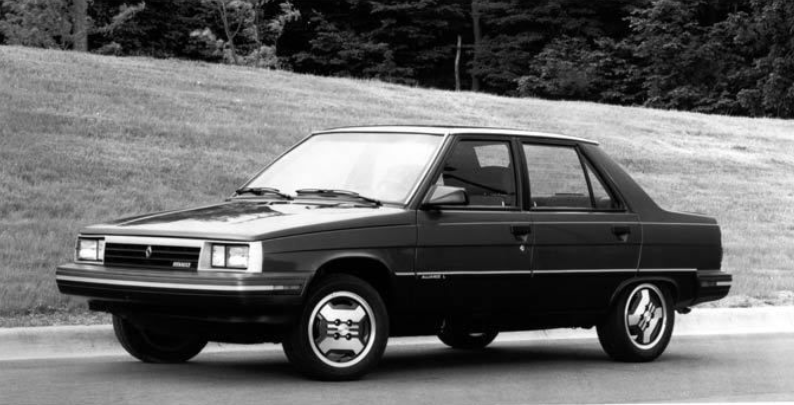
After the acquisition by Chrysler:
• 1987: production of the Renault Encore ended
• 1988: final year for the Renault Alliance
• Models were quickly withdrawn from the market
Sales declined due to:
• Perceived quality issues
• Lack of lineup renewal
• Market shift toward larger vehicles (drop in oil prices)
• Weakened brand image.
• 1987: production of the Renault Encore ended
• 1988: final year for the Renault Alliance
• Models were quickly withdrawn from the market
Sales declined due to:
• Perceived quality issues
• Lack of lineup renewal
• Market shift toward larger vehicles (drop in oil prices)
• Weakened brand image.
Conclusion
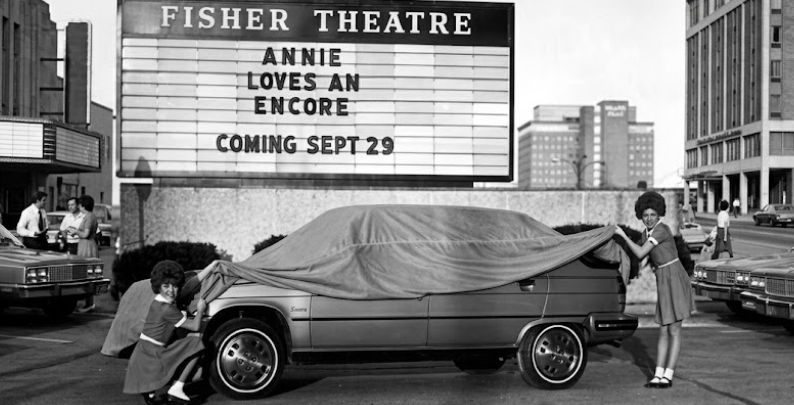
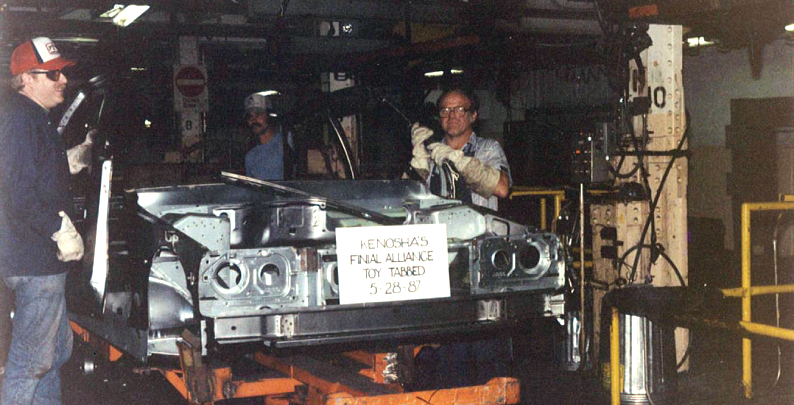
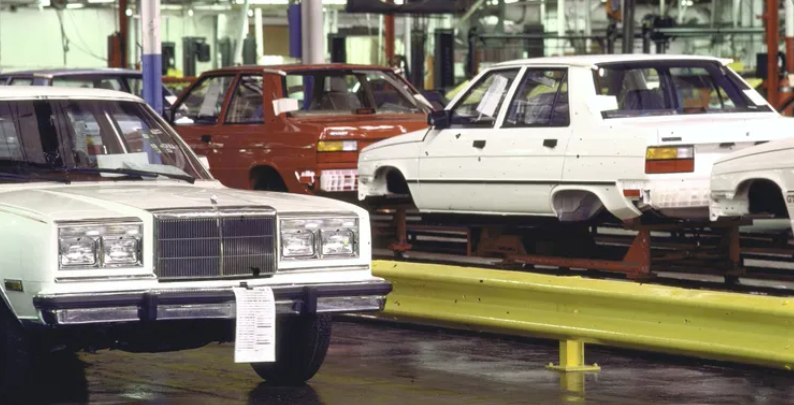
The Renault-AMC partnership represents an ambitious attempt at European industrial expansion in the United States. After a very promising start thanks to the Alliance, rapid market changes, a limited product range, manufacturing quality issues, and Renault’s financial difficulties led to the sale of AMC to Chrysler in 1987.
Following this agreement, Renault retained distribution of Jeep models in Europe.
However, this rapid sale appears to have been a very poor deal for Renault:
after investing heavily, the two new models, Medallion and Premier, began to take off, and Jeep sales remained strong.
But Raymond Lévy made the decision...
Nevertheless, this venture remains a major experience in Renault’s history, illustrating both the opportunities and risks of international expansion in a highly competitive market such as the American automotive industry.
Following this agreement, Renault retained distribution of Jeep models in Europe.
However, this rapid sale appears to have been a very poor deal for Renault:
after investing heavily, the two new models, Medallion and Premier, began to take off, and Jeep sales remained strong.
But Raymond Lévy made the decision...
Nevertheless, this venture remains a major experience in Renault’s history, illustrating both the opportunities and risks of international expansion in a highly competitive market such as the American automotive industry.
AMC Renault Team 1984
President & Chief operating officer

Jose J Dedeurwaerder
Chairman of the board. Chief executive officer

Paul Tippett
Vice president. Product Engineering & Dev
Philippe Ventre
Vice president. Quality & Product integrity

Joseph A Bostater
President Renault Jeep Sport, INC
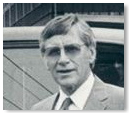
Roy C Lunn
Vice president.
Styling
Styling

Richard A teague
Vice pdt. Manufacturing operation
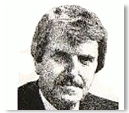
Georges A Maddox
Vice president.
Mkt group
Mkt group
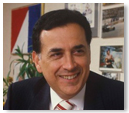
Joseph E Cappy
contact@renaultalliance.net +33(0)9.72.45.10.13 (contestador automático) Gestión de cookies Protección de datos personales y Aviso legal
Renault Alliance Club Passion 2002 - 2026