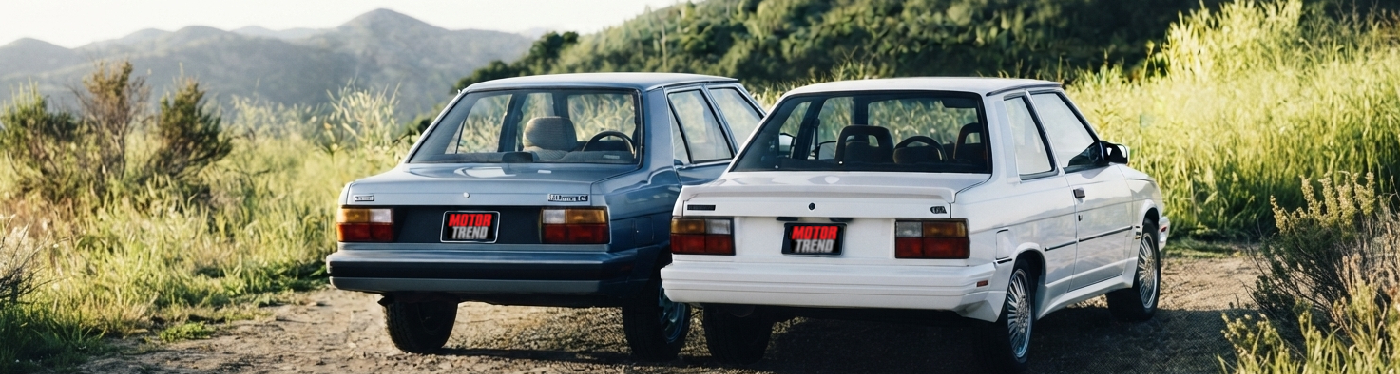
Dueling Renaults: Alliance vs. GTA
MotorTrend – January 1987 – by Michael Brockman – PHOTOGRAPHY BY BOB D’OLIVO
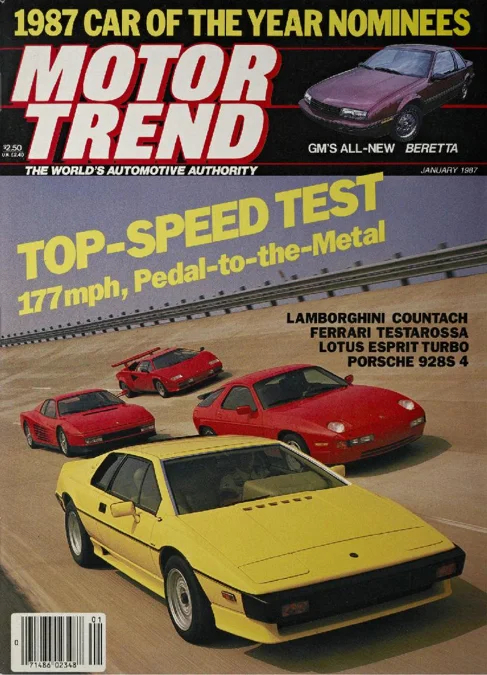
Here is a homemade translation of an article published in MotorTrend magazine in
January 1987.
Adding spice to the Alliance’s life
In this article, *MotorTrend* magazine compares Renault's new sports coupe for 1987—the Renault GTA—with the 1986 Renault Alliance sedan. The 1986 and 1987 versions of the Renault Alliance (excluding the GTA) are virtually identical, save for the grille.
Enjoy the read, and I hope I have not strayed too far from the original article while translating it.
Adding spice to the Alliance’s life
In the beginning, the automobile and racing were synonymous. More often than not, the manufacturers were racers themselves, and, as soon as a new car was built, it was off to the races to test performance and durability.
But then along came assembly lines and the lure of big bucks from mass production. The racer/builders traded cockpits for boardrooms, and the distance between racetrack and showroom grew ever greater.
The phenomenon continued until technology and cost had catapulted racing out of the reach of all but the very rich. Ironically, this forced some innovative thinkers right back to the showroom, creating what has become the fiercely competitive class called Showroom Stock racing.
To ensure lower cost and close competition, these cars must remain completely stock except for minor chassis adjustments and safety considerations. Seeing this as a good promotional opportunity, some manufacturers took the concept one step further and started single-marque racing, pitting identical cars against each other with the emphasis on the drivers.
One of the best examples of this form of racing was the Alliance Cup series, started shortly after the marriage of AMC and Renault and after the introduction of its successful Alliance line. Aimed at the entry-level driver, AMC Renault made the series attractive by offering its 2-door sedan in “race trim” at a very low price and by sending factory personnel to race meetings with parts and technical assistance. The result was some knockdown drag-out good racing, with entire fields of 30 or 40 cars qualifying within two or three seconds of each other.
In addition to good racing, one of the best things to come out of the Alliance Cup series is AMC Renault’s new GTA. Offered in 2-door sedan and convertible models, the GTA is an offshoot of technology gained in the series, and proof that racing can have a direct and positive effect on production cars.
In the beginning, the automobile and racing were synonymous. More often than not, the manufacturers were racers themselves, and, as soon as a new car was built, it was off to the races to test performance and durability.
But then along came assembly lines and the lure of big bucks from mass production. The racer/builders traded cockpits for boardrooms, and the distance between racetrack and showroom grew ever greater.
The phenomenon continued until technology and cost had catapulted racing out of the reach of all but the very rich. Ironically, this forced some innovative thinkers right back to the showroom, creating what has become the fiercely competitive class called Showroom Stock racing.
To ensure lower cost and close competition, these cars must remain completely stock except for minor chassis adjustments and safety considerations. Seeing this as a good promotional opportunity, some manufacturers took the concept one step further and started single-marque racing, pitting identical cars against each other with the emphasis on the drivers.
One of the best examples of this form of racing was the Alliance Cup series, started shortly after the marriage of AMC and Renault and after the introduction of its successful Alliance line. Aimed at the entry-level driver, AMC Renault made the series attractive by offering its 2-door sedan in “race trim” at a very low price and by sending factory personnel to race meetings with parts and technical assistance. The result was some knockdown drag-out good racing, with entire fields of 30 or 40 cars qualifying within two or three seconds of each other.
In addition to good racing, one of the best things to come out of the Alliance Cup series is AMC Renault’s new GTA. Offered in 2-door sedan and convertible models, the GTA is an offshoot of technology gained in the series, and proof that racing can have a direct and positive effect on production cars.
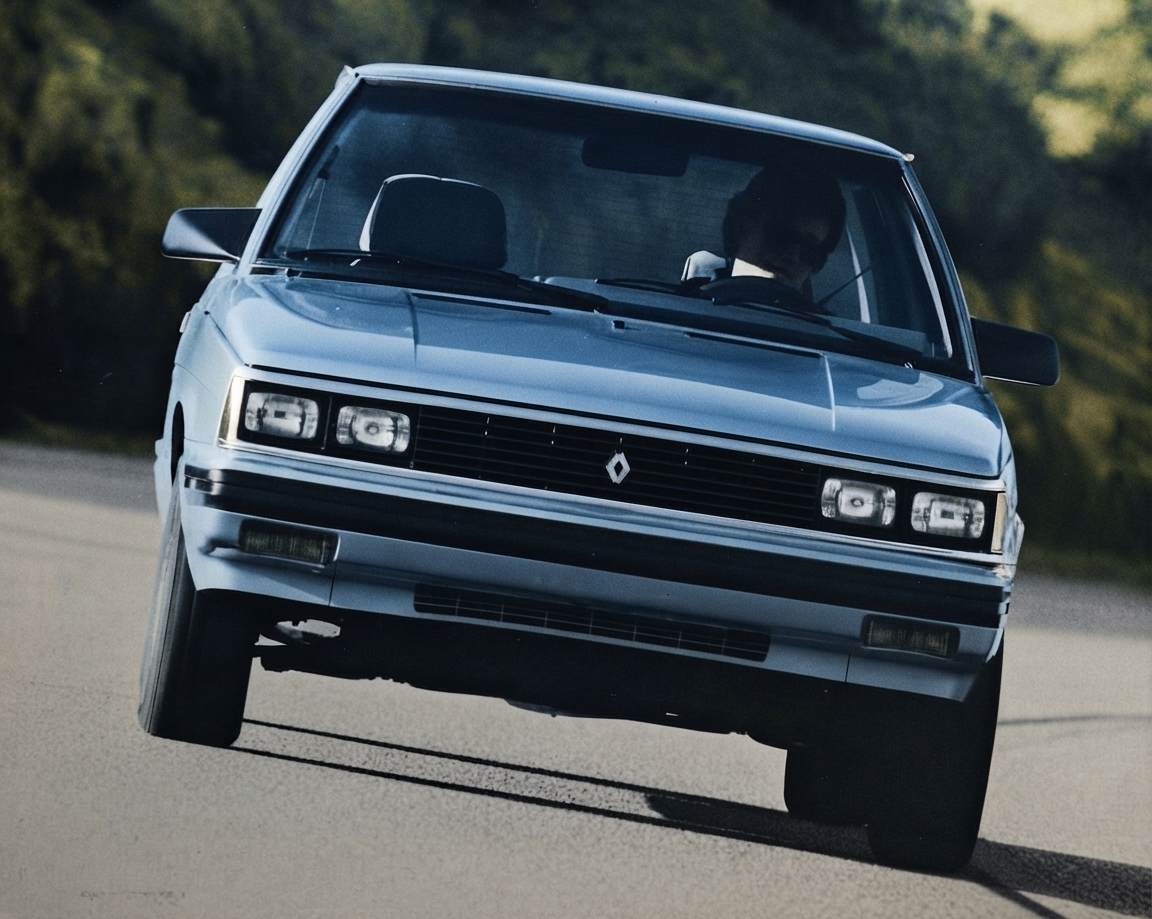
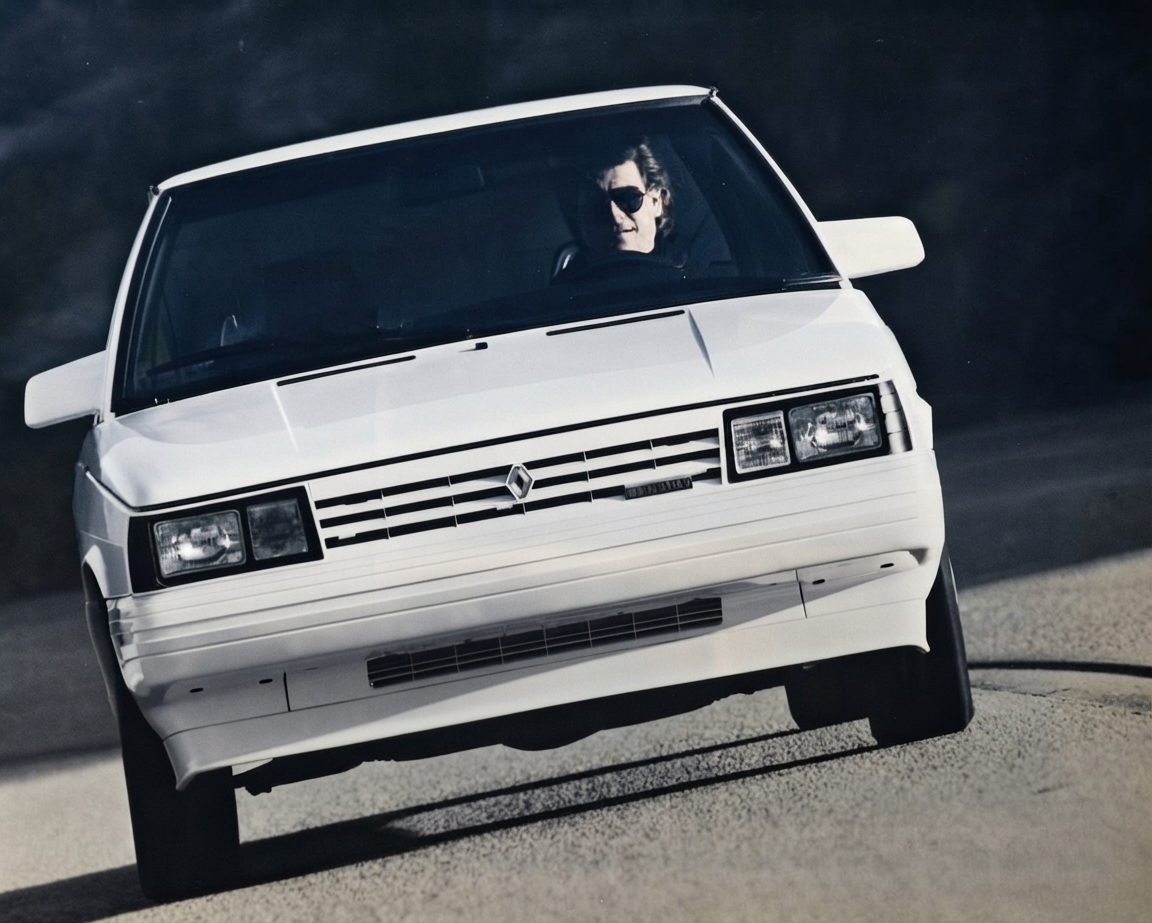
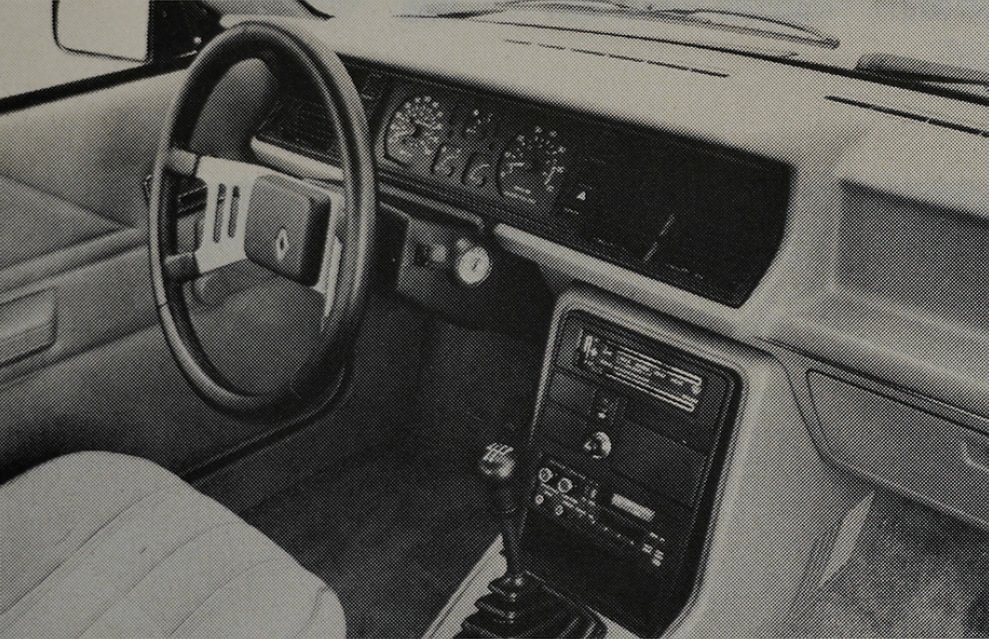
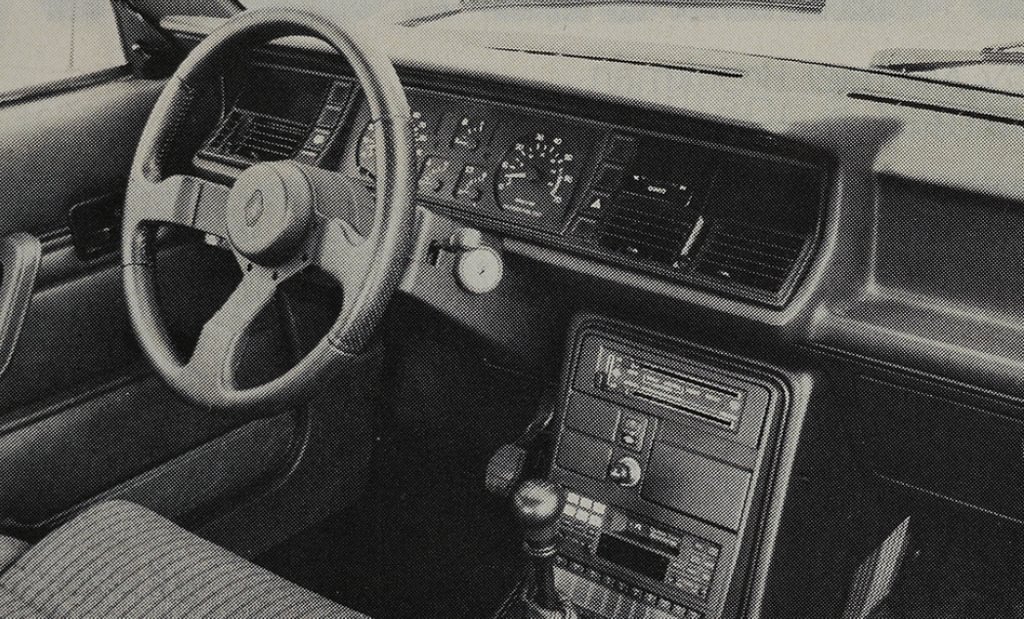
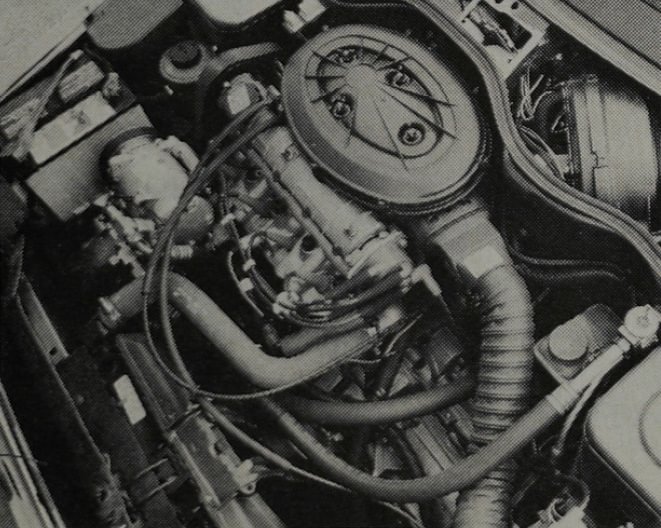
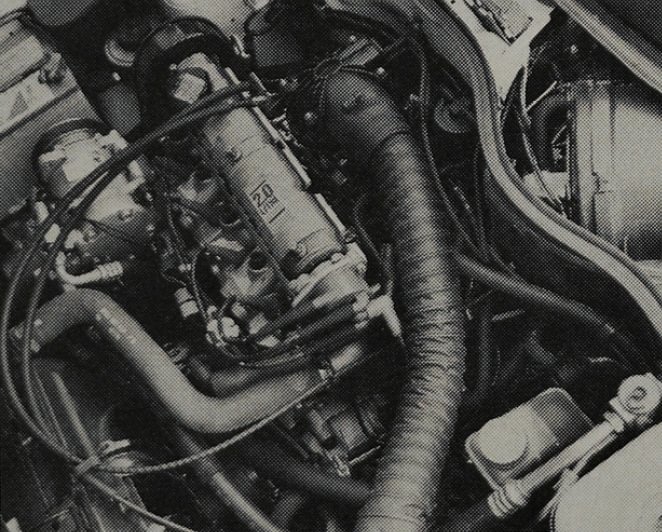
One of the best things to come out of the Alliance Cup series is AMC Renault’s new GTA.
When we first previewed the GTA, track time was not available, but a 0.93 g skidpad figure was mentioned in the tech data. Now, that’s getting into Corvette country, and Grable even said if the GTA could do it, he’d buy one. The engineers admitted that this figure came after a little tweaking (camber and ride height) and with shaved tires, but the stock GTA came surprisingly close to forcing Ron into pulling out his closely guarded, moth-filled wallet.
With all that in mind, we thought it would be a good idea to bring you up to date on the current Alliance, and compare it to the new GTA.
After a storybook beginning with the Alliance, AMC Renault has quietly but steadily improved the line over the past four years. Most improvements are from within, but the larger rear fender openings on the 2-door and a subtle lack of chrome on all models are pleasant changes.
For our test, we were given a 4-door L model, which represents the middle of the line, and it was equipped almost identically to the GTA, with cruise control, air conditioning, dual remote mirrors, and auto locks.
Several interesting things came to light when we questioned comparing a 4-door with a 2-door. First, we discovered the cars are virtually the same—wheelbase, overall dimensions, trunk space, everything. The 2-door merely has a much larger front door and, of course, no rear door. It’s an optical illusion; just moving the A-pillar back makes the 2-door look a couple feet shorter. The other thing that surprised us was the 2-door GTA outweighed the 4-door by 100 lb.
When we first previewed the GTA, track time was not available, but a 0.93 g skidpad figure was mentioned in the tech data. Now, that’s getting into Corvette country, and Grable even said if the GTA could do it, he’d buy one. The engineers admitted that this figure came after a little tweaking (camber and ride height) and with shaved tires, but the stock GTA came surprisingly close to forcing Ron into pulling out his closely guarded, moth-filled wallet.
With all that in mind, we thought it would be a good idea to bring you up to date on the current Alliance, and compare it to the new GTA.
After a storybook beginning with the Alliance, AMC Renault has quietly but steadily improved the line over the past four years. Most improvements are from within, but the larger rear fender openings on the 2-door and a subtle lack of chrome on all models are pleasant changes.
For our test, we were given a 4-door L model, which represents the middle of the line, and it was equipped almost identically to the GTA, with cruise control, air conditioning, dual remote mirrors, and auto locks.
Several interesting things came to light when we questioned comparing a 4-door with a 2-door. First, we discovered the cars are virtually the same—wheelbase, overall dimensions, trunk space, everything. The 2-door merely has a much larger front door and, of course, no rear door. It’s an optical illusion; just moving the A-pillar back makes the 2-door look a couple feet shorter. The other thing that surprised us was the 2-door GTA outweighed the 4-door by 100 lb.
The GTA is so much fun to drive, you’ll want to break out the Vuarnets and the driving gloves
Exterior changes between the Alliance and GTA we tested were subtle but effective. Side rocker panel moldings, front airdam, and a rear spoiler are all body color, and window trim, wipers, and door handles are done in non-gloss black. The PR department calls it “monochromatic.” Whatever, it does look good and certainly attracts a lot of attention. The 15-in. wheels, 50-series tires, and ¾-in. lower profile certainly don’t hurt the new little sedan’s appearance, either.
The interior has changed little over the years. The Alliance is simple and comfortable inside, with lots of head room and unique six-way adjustable pedestal-mounted front seats that give rear passengers a little extra foot space. The dash is identical on both cars, featuring easy-to-read analog gauges. With performance in mind, the GTA has sport seats adapted from the European Rll, offering extra support in the seat and thigh area, and a nice leather-wrapped steering wheel from the R5 Turbo.
Both models have been given new life in the engine department. Our L model was equipped with the optional 1.7-liter motor, supplying a much-needed boost over the standard anemic 1.4-liter that has been the Alliance’s albatross in the past. The GTA has an all-new 2-liter OHC engine that puts out 95 hp and 114 lb-ft of torque, an increase of 17 hp and 18 lb-ft of torque over the 1.7-liter motor. If there is an area where the GTA and Alliance are weak, it’s in available power, but both engines are such an improvement over the original 1.4-liter, it’s hard to split hairs.
Dragstrip times proved quite surprising, with 2.4 sec separating the two from 0-60, and only a 1-sec difference in the quarter mile. In all fairness to the GTA, our regular test track was not available and we had trouble launching it without a lot of wheelspin. Under better conditions, we feel low 10s instead of an 11.17-sec quarter mile would be more realistic.
The additional torque and horsepower of the GTA are routed through a nice close-ratio gearbox to a lower rearend than the standard Alliance, making stoplight starts and zipping around traffic a breeze. Ventilated rotors are used in front to help dissipate the heat caused by this kind of driving. One flaw we noticed was the ability to get into reverse without lifting the lock-out lever, not fun when you sidestep the clutch at 3500 rpm.
Exterior changes between the Alliance and GTA we tested were subtle but effective. Side rocker panel moldings, front airdam, and a rear spoiler are all body color, and window trim, wipers, and door handles are done in non-gloss black. The PR department calls it “monochromatic.” Whatever, it does look good and certainly attracts a lot of attention. The 15-in. wheels, 50-series tires, and ¾-in. lower profile certainly don’t hurt the new little sedan’s appearance, either.
The interior has changed little over the years. The Alliance is simple and comfortable inside, with lots of head room and unique six-way adjustable pedestal-mounted front seats that give rear passengers a little extra foot space. The dash is identical on both cars, featuring easy-to-read analog gauges. With performance in mind, the GTA has sport seats adapted from the European Rll, offering extra support in the seat and thigh area, and a nice leather-wrapped steering wheel from the R5 Turbo.
Both models have been given new life in the engine department. Our L model was equipped with the optional 1.7-liter motor, supplying a much-needed boost over the standard anemic 1.4-liter that has been the Alliance’s albatross in the past. The GTA has an all-new 2-liter OHC engine that puts out 95 hp and 114 lb-ft of torque, an increase of 17 hp and 18 lb-ft of torque over the 1.7-liter motor. If there is an area where the GTA and Alliance are weak, it’s in available power, but both engines are such an improvement over the original 1.4-liter, it’s hard to split hairs.
Dragstrip times proved quite surprising, with 2.4 sec separating the two from 0-60, and only a 1-sec difference in the quarter mile. In all fairness to the GTA, our regular test track was not available and we had trouble launching it without a lot of wheelspin. Under better conditions, we feel low 10s instead of an 11.17-sec quarter mile would be more realistic.
The additional torque and horsepower of the GTA are routed through a nice close-ratio gearbox to a lower rearend than the standard Alliance, making stoplight starts and zipping around traffic a breeze. Ventilated rotors are used in front to help dissipate the heat caused by this kind of driving. One flaw we noticed was the ability to get into reverse without lifting the lock-out lever, not fun when you sidestep the clutch at 3500 rpm.
As we hinted earlier, the payoff punch for the GTA is its handling. Engineering has done a masterful job getting the balance right. The transitional response is excellent, and the skidpad figure was an impressive 0.87 g, compared to 0.79 on the 4-door.
To achieve this end, the MacPherson strut, coil-spring rate was raised 70% while retaining the same antiroll bar in the front, and increasing the torsion bar 64% and the anti-roll bar 40% in the rear. In addition, Michelin Sport XGT 195/50VR15s are standard for the first time on any production car in the U.S. Combine this with ½° negative camber and a 3/4-in. drop all around, and the results are pretty impressive.
Overall, we found the Alliance to be an improved version of what we have acclaimed in the past. It offers good, solid, affordable transportation. The GTA, on the other hand, with more power, good looks, and great handling, might inspire you to break out the Vuarnets and driving gloves, and get back to what the automobile is really all about.
To achieve this end, the MacPherson strut, coil-spring rate was raised 70% while retaining the same antiroll bar in the front, and increasing the torsion bar 64% and the anti-roll bar 40% in the rear. In addition, Michelin Sport XGT 195/50VR15s are standard for the first time on any production car in the U.S. Combine this with ½° negative camber and a 3/4-in. drop all around, and the results are pretty impressive.
Overall, we found the Alliance to be an improved version of what we have acclaimed in the past. It offers good, solid, affordable transportation. The GTA, on the other hand, with more power, good looks, and great handling, might inspire you to break out the Vuarnets and driving gloves, and get back to what the automobile is really all about.
| Category | Features | Renault Alliance | Renault GTA |
|---|---|---|---|
| Powertrain | Vehicle configuration | Front engine, front-drive | Front engine, front-drive |
| Engine configuration | L-4, SOHC, 2 valves/cylinder | L-4, SOHC, 2 valves/cylinder | |
| Displacement | 1721 cc (105.0 cu in.) | 1960 cc (120.0 cu in.) | |
| Max. power (SAE net) | 70 hp @ 5000 rpm | 95 hp @ 5250 rpm | |
| Max torque (SAE net) | 96 lb-ft @ 3000 rpm | 114 lb-ft @ 2750 rpm | |
| Final drive ratio | 5-sp. Man. | 5-sp. Man. | |
| Chassis | Transmission | 2.81:1 | 3.09:1 |
| Suspension, f/r | Independent/Independent | Independent/Independent | |
| Brakes | Disc/drum | Disc/drum | |
| Steering | Rack and pinion, power assist | Rack and pinion, power assist | |
| Wheels | 14x5.5 in., alloy | 15x6.0 in., cast alloy | |
| Dimensions | Tires | 185/60R14 | 195/50VR15 |
| Wheelbase | 2484 mm (97.8 in) | 2485 mm (97.8 in) | |
| Overall length | 4161 mm (163.8 in.) | 4162 mm (163.8 in.) | |
| Curb weight | 906 kg (1996 lb) | 951 kg (2097 lb) | |
| Performance | Fuel capacity | 47.3 L (12.5 gal) | 47.3 L (12.5 gal) |
| Acceleration, 0-60 mph | 13.56 sec | 11.17 sec | |
| Standing quarter mile | 19.23 sec / 70.0 mph | 18.20 sec / 74.6 mph | |
| Braking, 60-0 | 151 ft | 143 ft | |
| Other | Lateral acceleration | 0.79 g | 0.87 g |
| Base price | $6760 | $8999 | |
| Price as tested | $10,111 | $10,631 |
contact@renaultalliance.net +33 9 72 45 10 13 (answering machine) Cookie Management Data Protection and Legal Notices
Renault Alliance Club Passion 2002 - 2026